Blog: Understand the audience, shape the work accordingly
7 October 2026
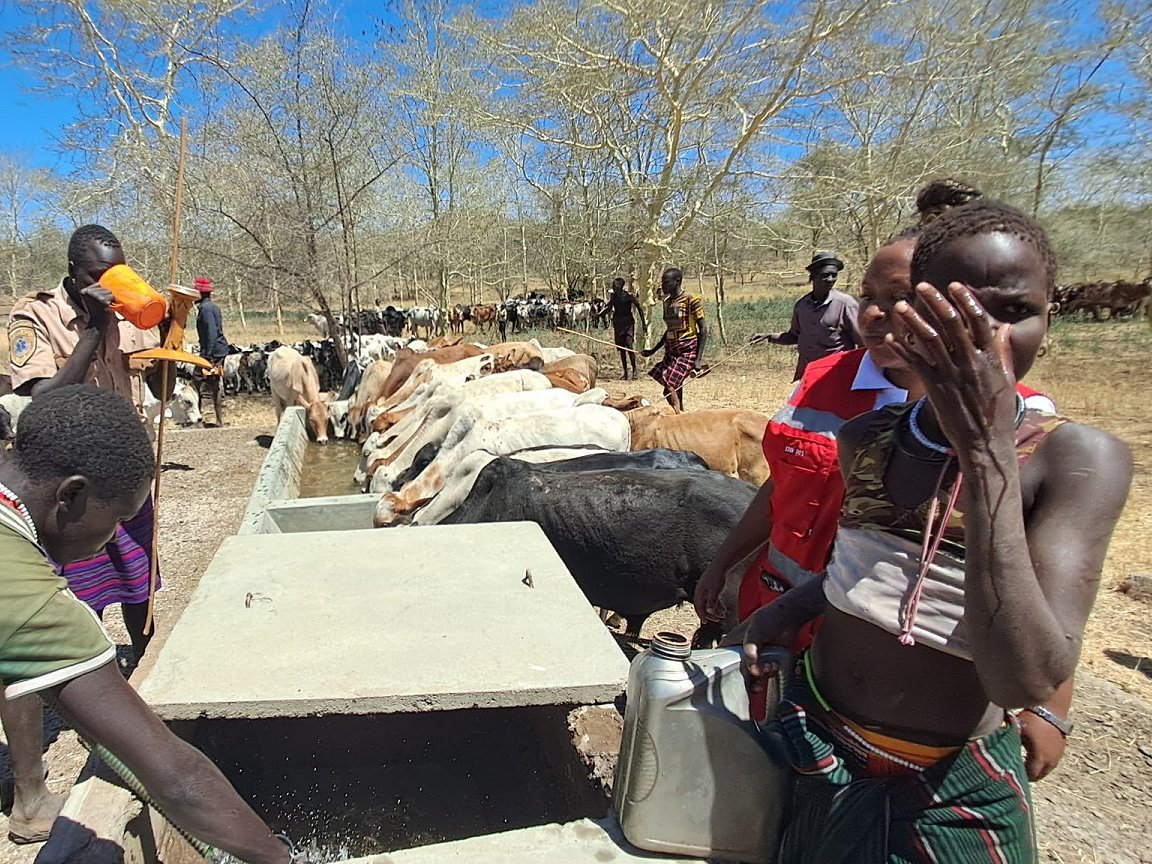
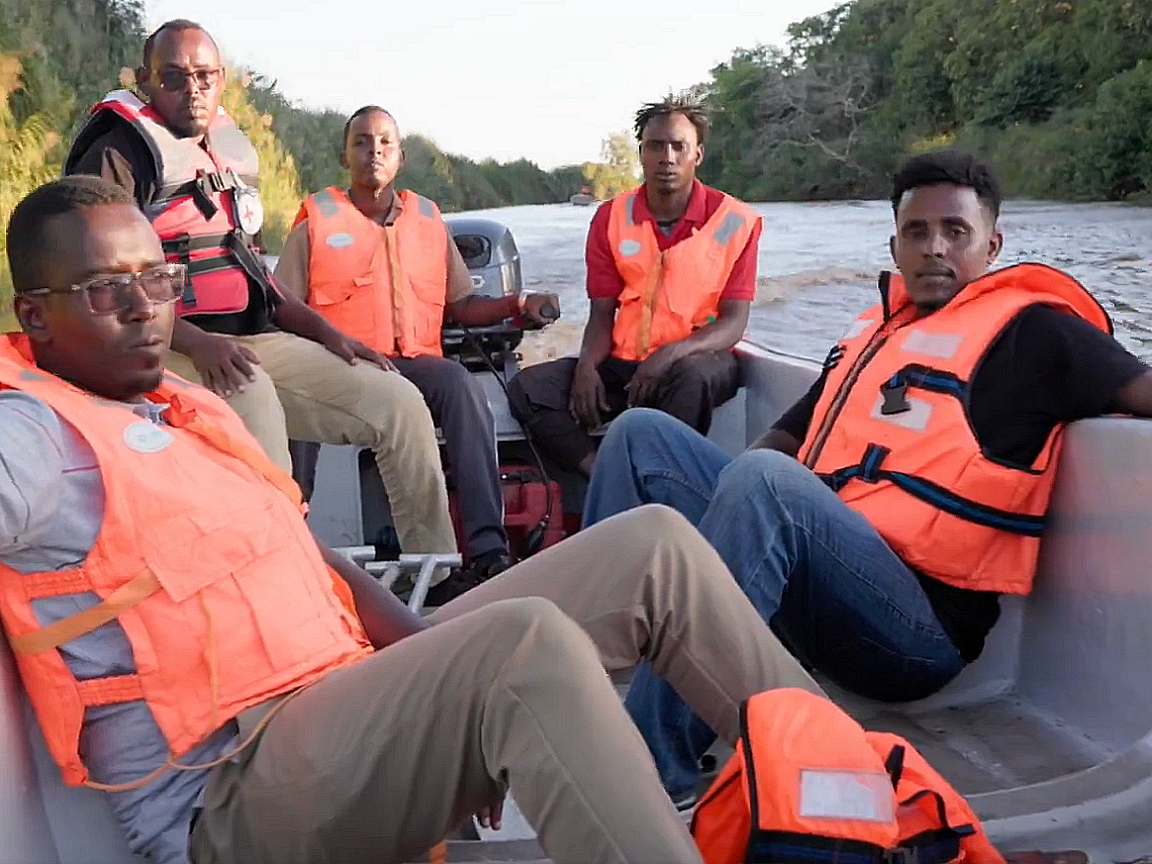
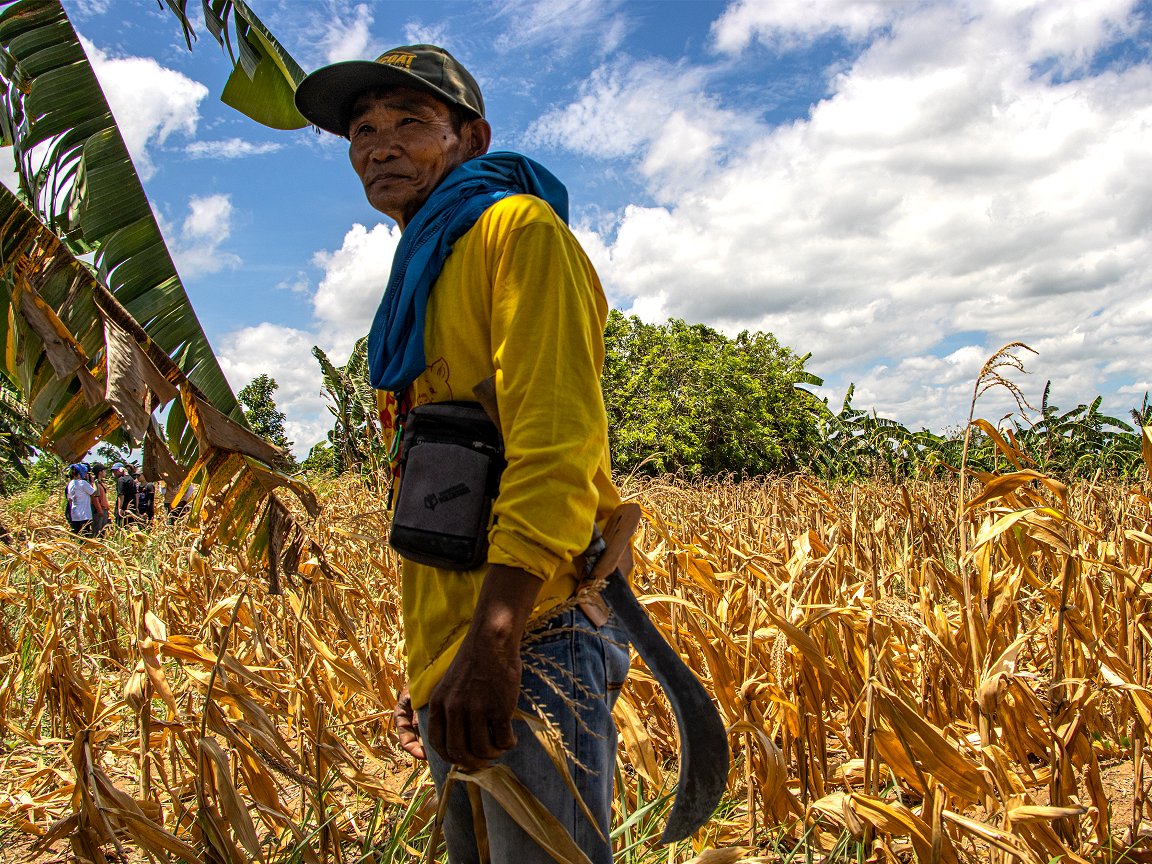
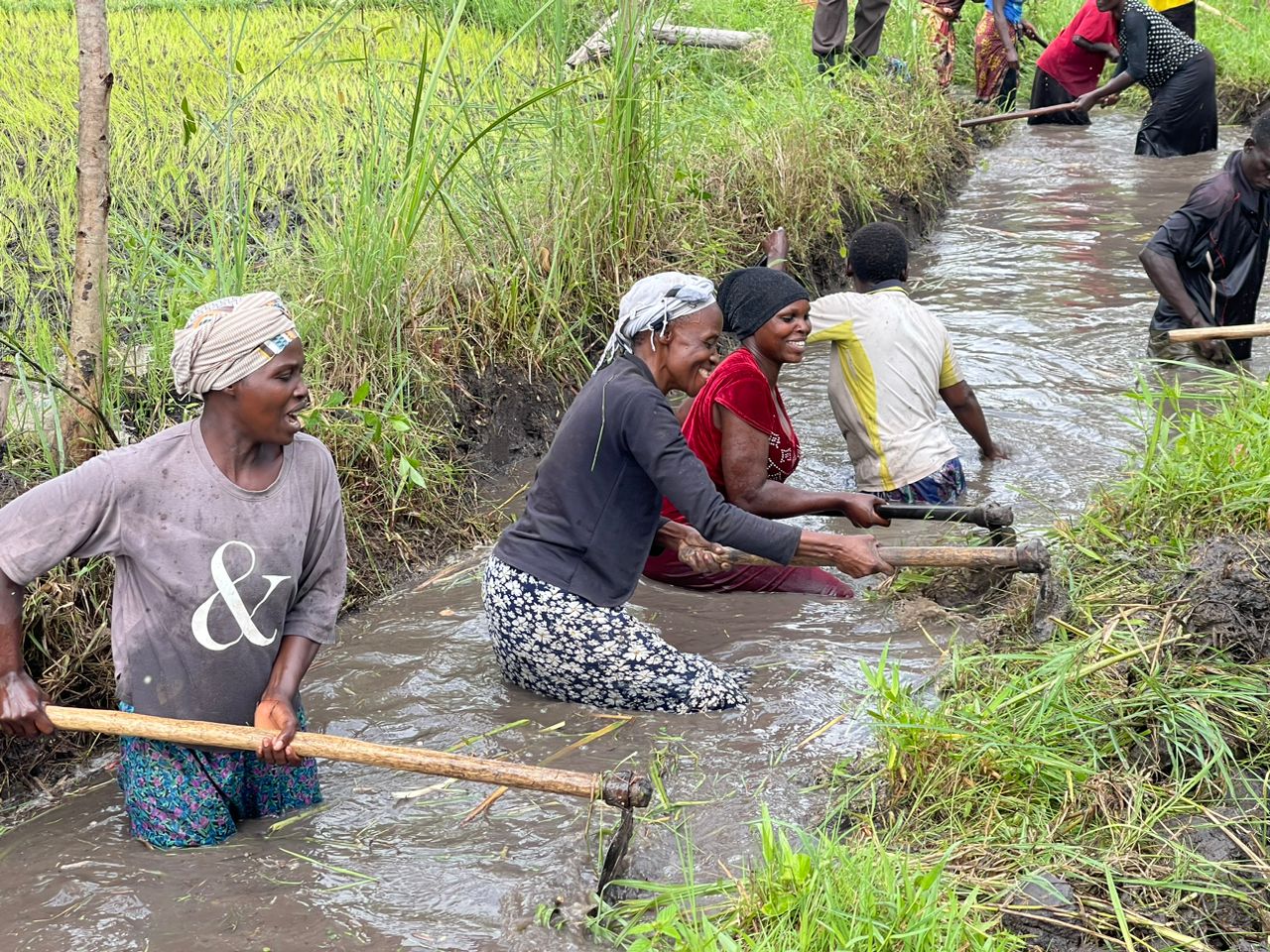


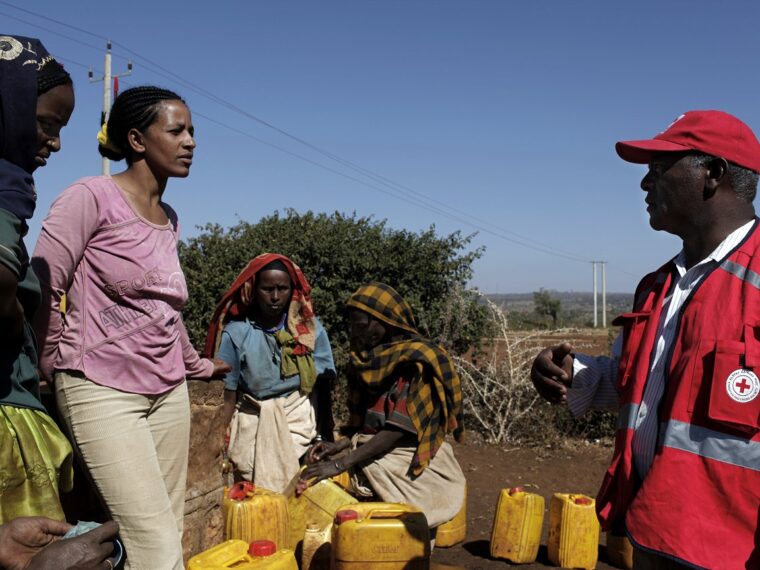
The 2026 Climate Action Summit, hosted online by the IFRC and the Climate Centre on 16th September, brought together global leaders, Red Cross Red Crescent staff and volunteers, and community voices “to move beyond discussion and focus on action”. Climate Centre Director Aditya Bahadur said: “The humanitarian sector has a critical leadership role to play, not only in responding to crises but also in supporting people to anticipate, adapt and build resilience before, during and after climate hazards. The urgency is clear and so is the opportunity.”
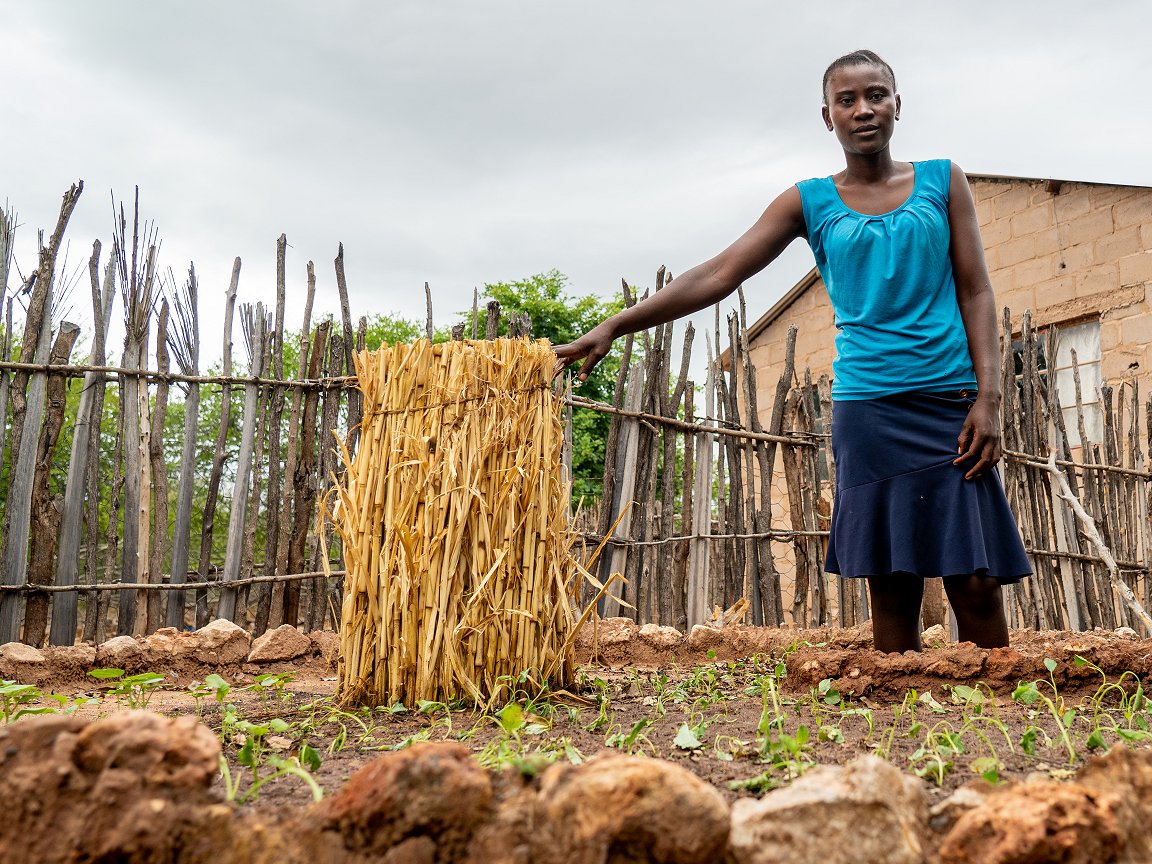
Climate action in Zimbabwe: Vivian Saba, 36, was one of the farmers chosen by the Red Cross to pioneer climate-smart farming in northern Matabeleland.
Read more
NEW: Annual Report 2025
Managing the risks from summer weather in a changing climate in Europe and Central Asia
The lived experiences of vulnerable populations in the context of extreme heat
Climate Centre Strategy 2030
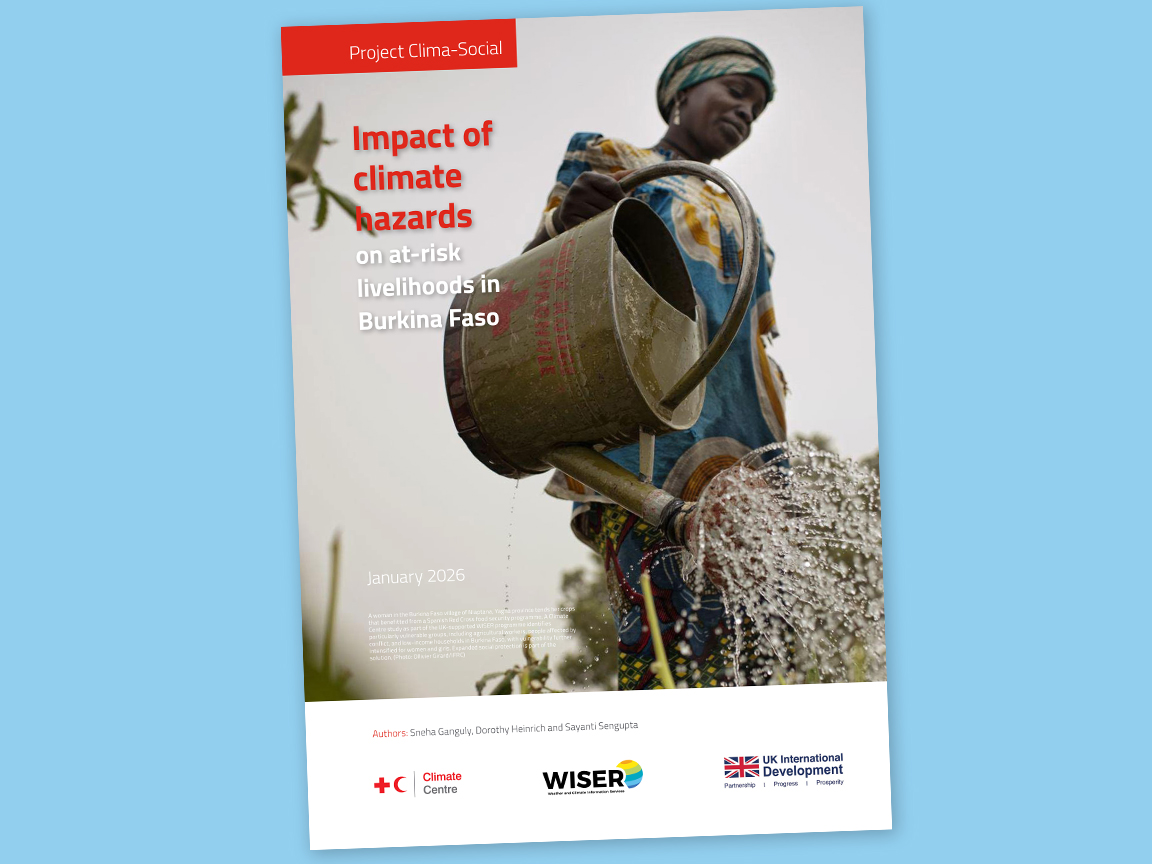
Impact of climate hazards on at-risk livelihoods in Burkina Faso
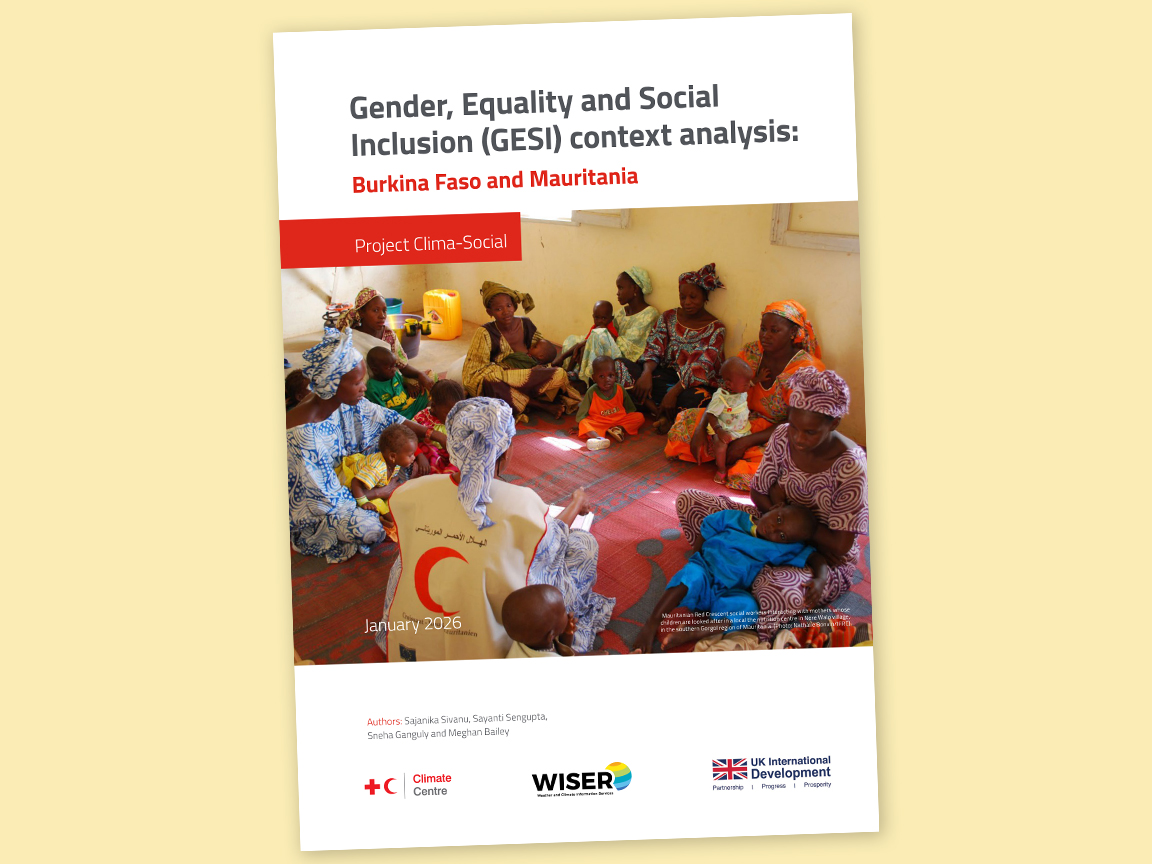
Gender, Equality and Social Inclusion (GESI) context analysis: Burkina Faso and Mauritania
Practical guide to co-production for anticipatory action with IDPs/refugees
Training report on impact-based forecasting: a facilitation guide (Also in Arabic)
Stress-testing systems: A guide to the assessment of compound and cascading risk
Building health resilience through climate services
Building health resilience through climate services (Executive summary)

This report examines the contribution of climate services to decision-making in healthcare, exploring barriers and enabling factors that shape implementation. It draws on a review of 45 existing studies and includes four country cases – Bangladesh, Colombia, Malawi and Senegal – to assess governance, leadership, stakeholder engagement, data integration and dissemination.
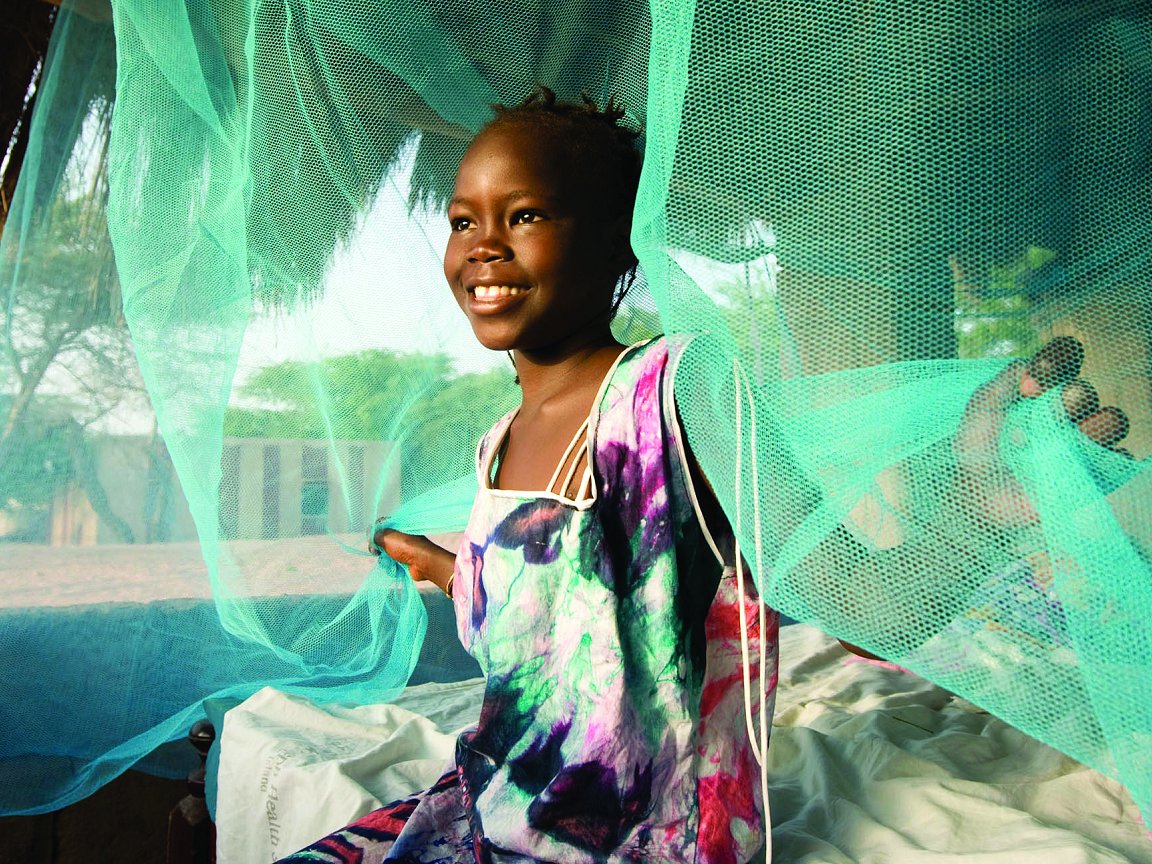
Pictured, a young resident of coastal Potou village, Senegal, shows off her new long-lasting insecticidal net. (File photo: Maggie Hallahan/Olyset via IFRC)
Read the report